

silver rectangular wall mirror
How to Close the Water Valve A Step-by-Step Guide Closing a water valve is an important skill that every homeowner should learn. Whether you're dealing with a plumbing emergency, performing maintenance, or just reducing water flow, knowing how to properly close a water valve can save you time, money, and potential damage to your property. In this article, we'll explore the steps to successfully close a water valve and provide some additional tips for managing your plumbing system effectively. Understanding Water Valves Before we get into the steps, it's essential to understand what a water valve is and its function. A water valve is a mechanical device that controls the flow of water in your plumbing system. Valves can be found in various locations, such as near sinks, toilets, water heaters, and the main water supply line. There are different types of valves, including gate valves, ball valves, and globe valves, each operating slightly differently. - Gate Valve This type of valve is operated by turning the handle in a clockwise direction to close it. Gate valves are typically used for on/off service and are not designed for throttling flow. - Ball Valve This valve uses a spherical disk to stop the flow of water. To close a ball valve, simply turn the handle 90 degrees clockwise. - Globe Valve Globe valves are commonly used for regulating flow. They can be closed by turning the handle clockwise, similar to gate valves. Step-by-Step Guide to Closing a Water Valve 1. Locate the Valve The first step is to locate the water valve you want to close. Common places include under sinks, behind toilets, near appliances, or at the main water supply line. If you're unsure, you can follow the water supply line from the fixture or appliance to find the valve. 2. Assess the Valve Type Once you find the valve, determine which type it is. This will influence how you operate it. Make sure you have a clear understanding of whether it's a gate valve, ball valve, or globe valve. 3. Prepare the Area Before closing the valve, it’s a good idea to clear the area around it. This will give you enough space to maneuver and prevent any accidents . If there's any water leaking, use a towel or a bucket to catch it. how to close the water valve 4. Turn Off the Valve - For a gate valve, grip the wheel handle and turn it clockwise until it won't turn anymore. Don’t force it; just turn until you feel resistance. - For a ball valve, turn the lever handle 90 degrees in the clockwise direction until it’s perpendicular to the pipe. - For a globe valve, turn the handle clockwise until it stops. 5. Check for Leaks After closing the valve, it’s essential to check for leaks. Go back to the fixture or appliance and look for any signs of water escaping. If there’s a leak, tighten the valve handle slightly more or consider replacing the valve. 6. Documentation and Maintenance Make a note of the valve's location and any maintenance you've performed. Regular check-ups of your valves can help ensure their reliability. Additional Tips - Use Caution If the water pressure is high, water may spew out when you first start to turn the valve. Be prepared to handle this and, if necessary, use a towel to mitigate splashing. - Have Tools Ready Sometimes valves can be rusted or stuck. In such cases, having a pair of pliers or a wrench may help. - Know Your Main Valve Always know where your main water shut-off valve is located. In an emergency, being able to quickly shut off all water supply can prevent extensive water damage. - Consider Professional Help If you're unsure about closing a valve or if it seems damaged, it’s wise to consult a professional plumber to avoid complications. In conclusion, closing a water valve is a vital skill that can make a significant difference in maintaining your home’s plumbing system. By following these steps and being aware of your valves, you'll be better equipped to handle any plumbing situation that arises.
about
silver rectangular wall mirror
The Balanced Globe Valve An Essential Component in Fluid Control Systems In the world of fluid control systems, valves play a pivotal role in regulating flow, pressure, and temperature. Among the various types of valves available, the balanced globe valve stands out as a crucial component widely used across many industries. This article will explore the design, function, advantages, and applications of balanced globe valves, shedding light on why they are often the preferred choice for many engineering applications. Design and Functionality The balanced globe valve is characterized by its unique internal design, allowing it to maintain consistent flow rates and pressure drops. Unlike traditional globe valves, which can exhibit fluctuations in performance due to changing flow conditions, balanced globe valves feature an inlet and outlet path that minimizes vortex formation and turbulence. This balanced design is achieved through the thoughtful arrangement of the valve’s internal components, which often include a specially shaped disc and a strategically placed seat. The core function of a balanced globe valve is to control the flow of fluids—be it liquids or gases. The valve’s actuator can be manually operated or automated, providing flexibility for various applications. The actuator influences the position of the disc, which can range from fully open to fully closed. As the disc moves, the flow area changes, allowing operators to regulate the flow precisely according to system requirements. Advantages of Balanced Globe Valves One of the primary benefits of balanced globe valves is their ability to maintain a stable flow rate . This stability is crucial in processes that require precise flow measurements, such as in pharmaceutical manufacturing or chemical processing. Additionally, balanced globe valves can handle high-pressure situations without significant fluctuation in performance, making them suitable for demanding environments. Another advantage is the reduced risk of cavitation and noise, which can be detrimental to both equipment and personnel in a facility. Because of their balanced design, these valves create less turbulence than conventional options, leading to quieter operation and extending the life of the valve itself. balanced globe valve Furthermore, balanced globe valves are typically constructed from robust materials that ensure durability. They can be made from stainless steel, carbon steel, or other alloys, allowing for versatility based on the application’s specific requirements, such as temperature and corrosion resistance. Applications Balanced globe valves find applications in a multitude of industries. In the oil and gas sector, they are employed to control the flow of hydrocarbons through pipelines, ensuring safe and efficient transportation. In the water treatment industry, these valves are crucial for managing the flow of water through filtration and purification systems. Moreover, they are widely used in HVAC systems, where they regulate the flow of heating and cooling fluids to maintain desired temperatures in buildings. In power plants, balanced globe valves control the flow of steam and other fluids critical for energy generation and distribution. In the food and beverage industry, maintaining hygiene and quality control is of utmost importance, and balanced globe valves help achieve this by providing reliable flow regulation while minimizing the risk of contamination. Conclusion The balanced globe valve is an indispensable tool in modern engineering and fluid control systems. Its unique design allows for precise flow control, making it ideal for applications requiring stability and reliability. As industries continue to advance, the demand for effective fluid control solutions will only grow, solidifying the balanced globe valve's position as a critical component in various processes. Whether in oil and gas, water treatment, HVAC, power generation, or food production, balanced globe valves facilitate efficient operation while ensuring safety and performance remain paramount. As we move towards more complex systems, innovations in valve technology will undoubtedly enhance the capabilities of balanced globe valves further, expanding their applications and effectiveness for years to come.
-

High quality industrial productsagement

High quality industrial products
View Details -

Meet the diverse needs of customers

Meet the diverse needs of customers
View Details -

Strict quality control

Strict quality control
View Details -

Top raw materials

Top raw materials
View Details -

Trusted supplier

Trusted supplier
View Details
Our application



news and information
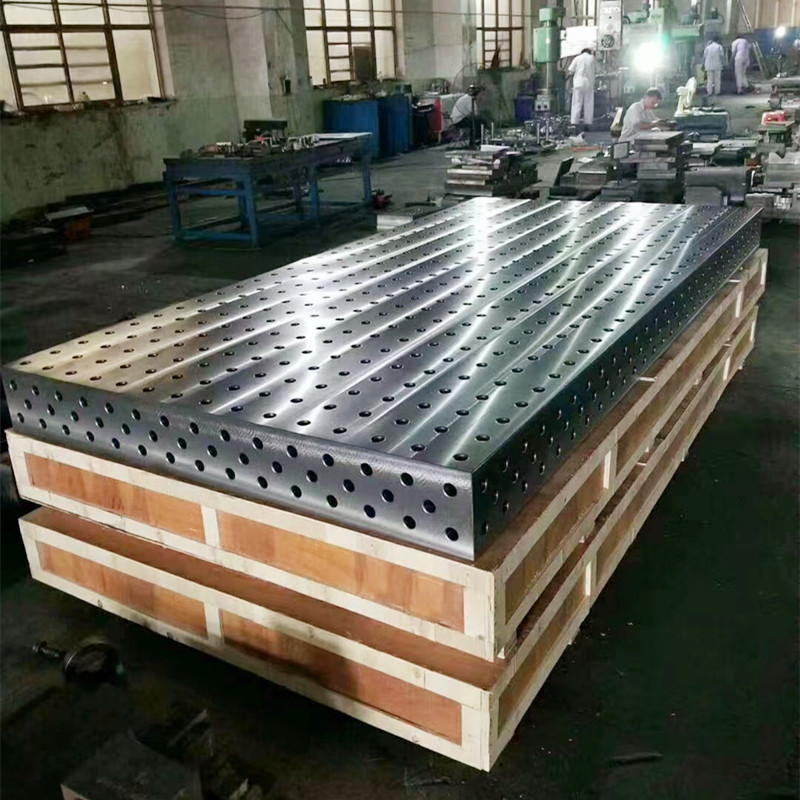
Versatile 4x4 Welding Table for Precision Metal Fabrication and Joinery Projects
The Versatility of a 4x4 Welding Table Welding is an essential fabrication process that requires pre
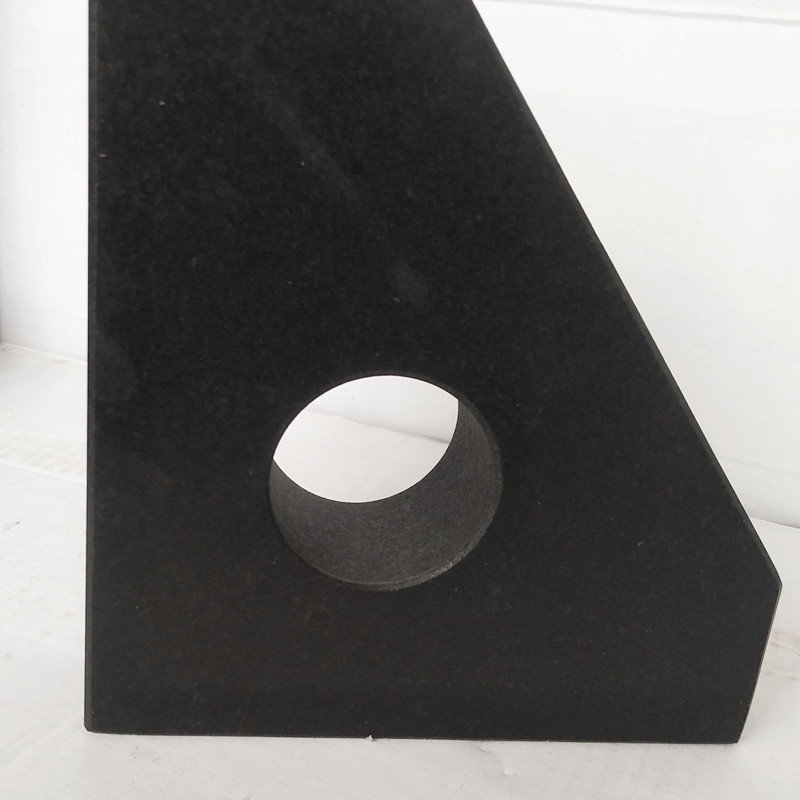
Vanne papillon de 75 mm
La vanne papillon de 75 mm Un élément clé dans les systèmes de plomberie La vanne papillon de 75 mm

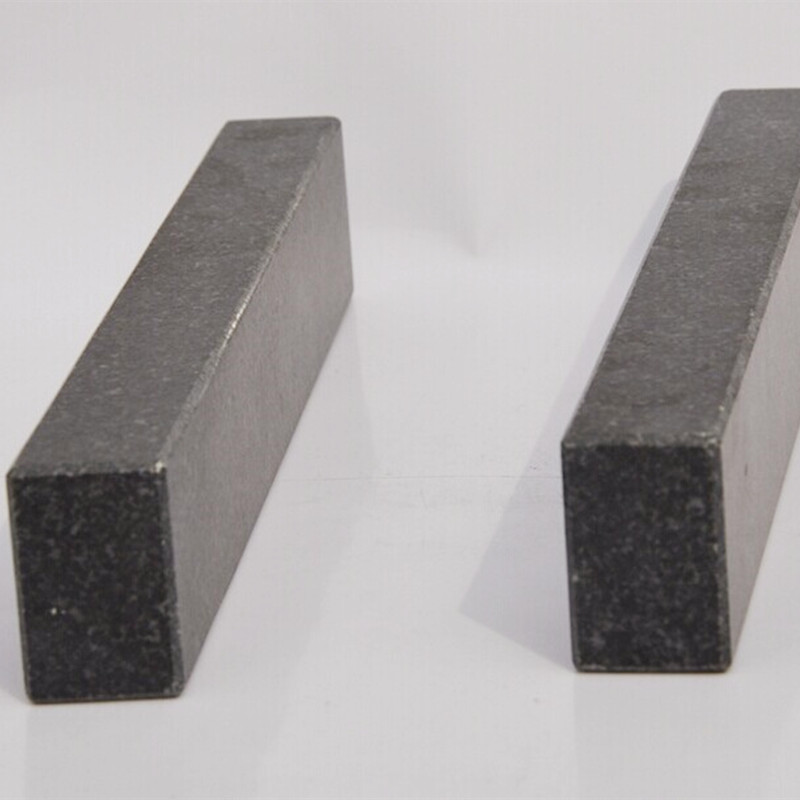
vee blocks for sale
VEE Blocks for Sale The Future of Sustainable Building Solutions In the contemporary era of construc
 English